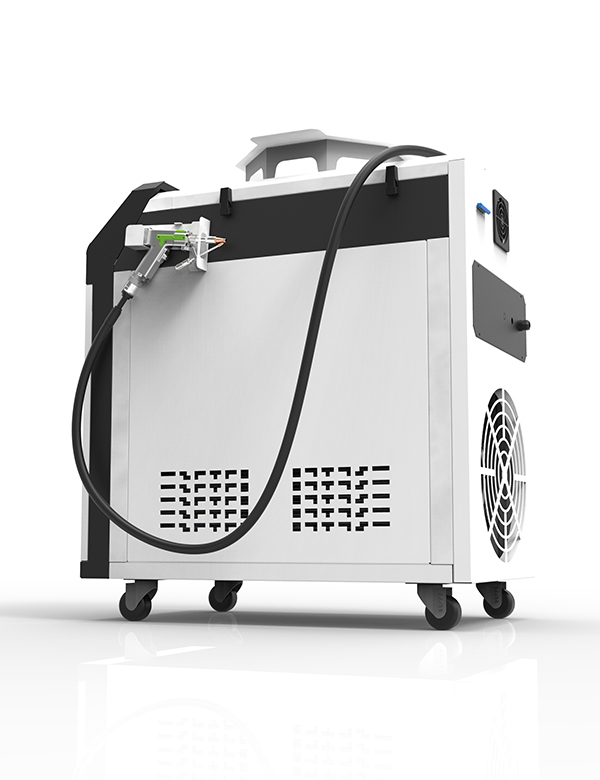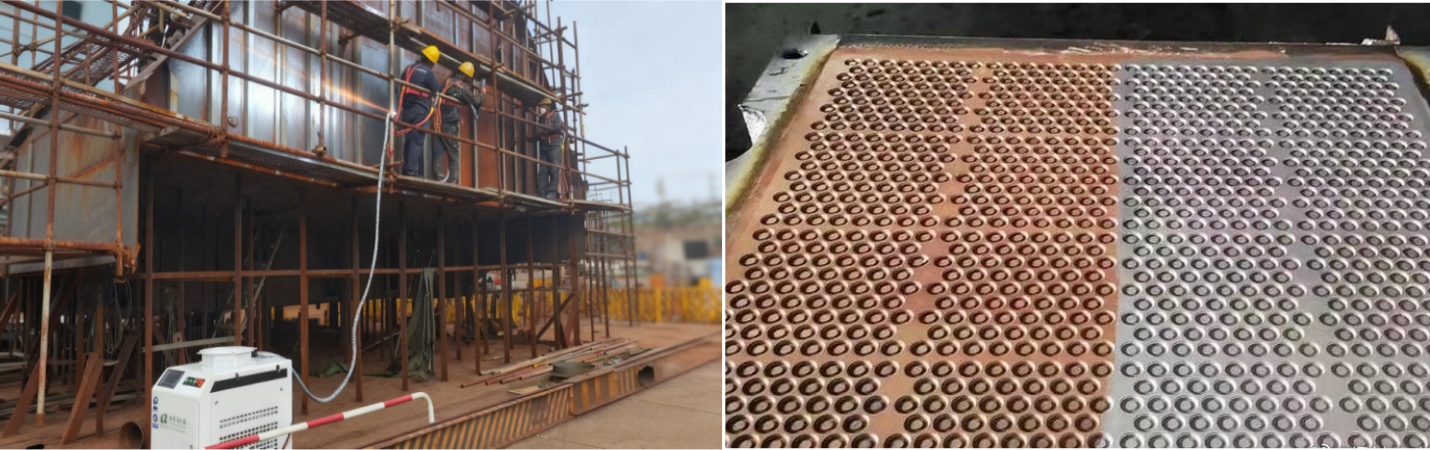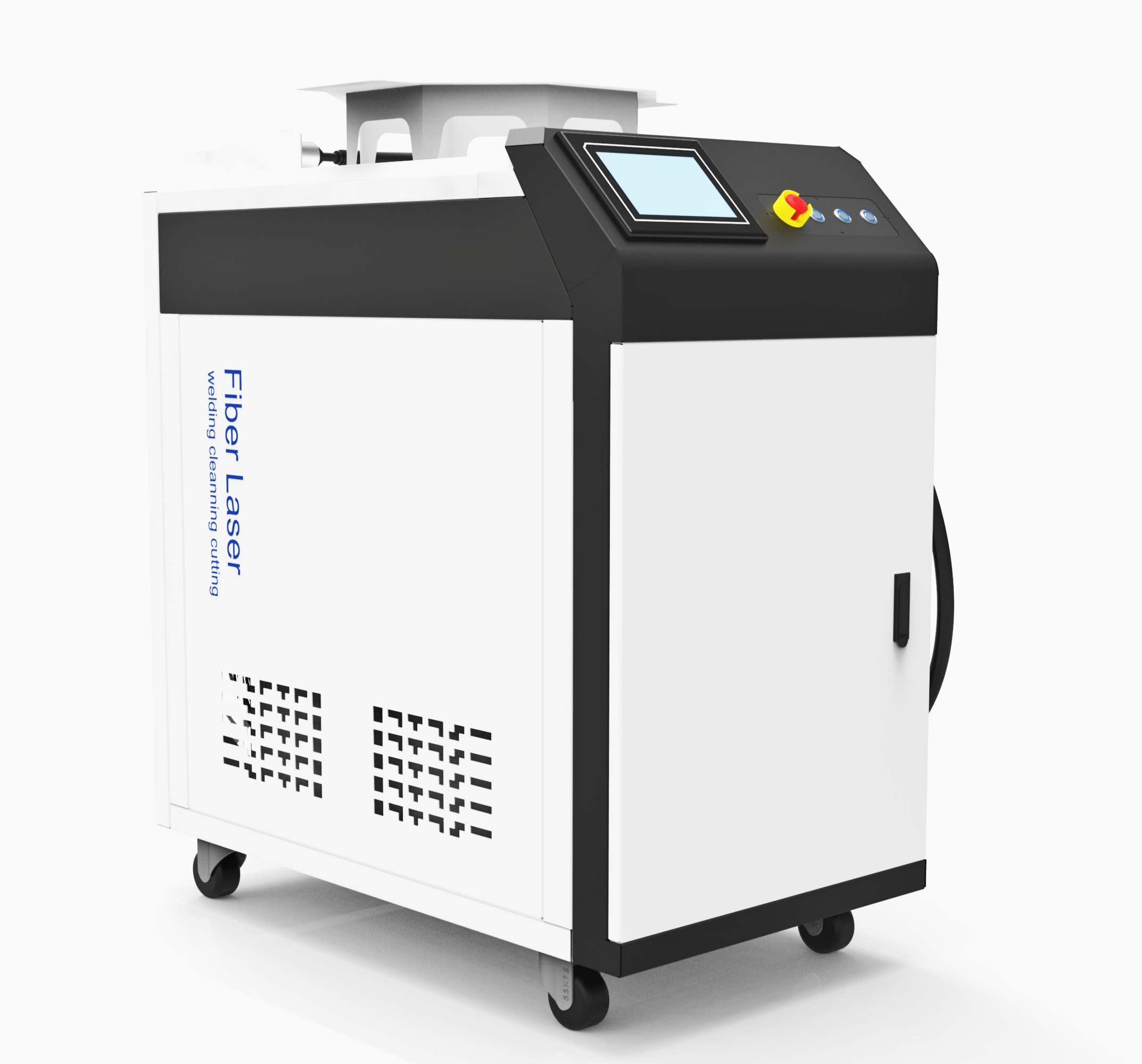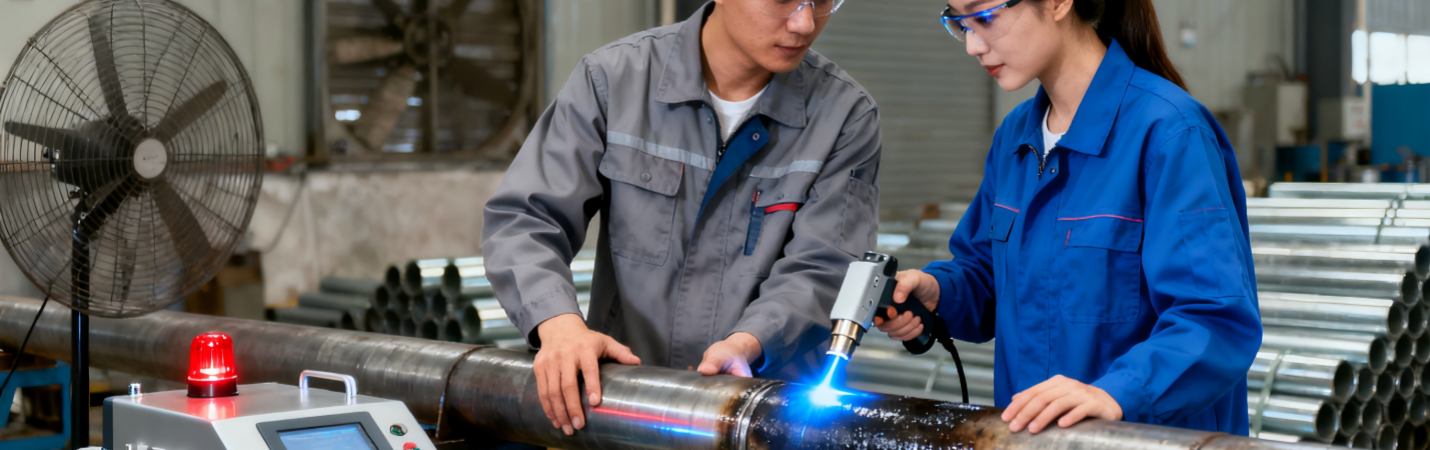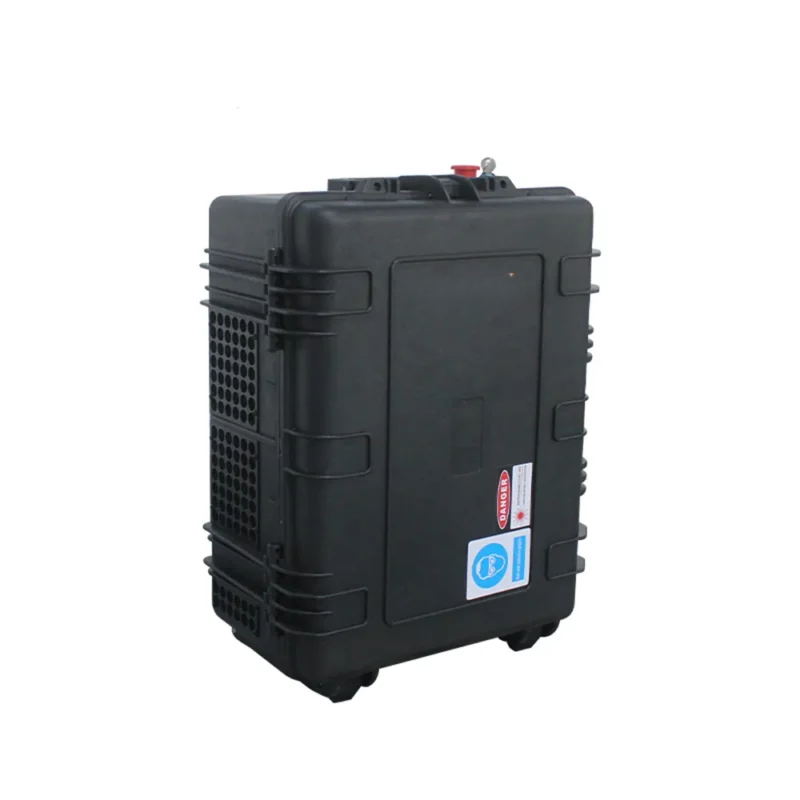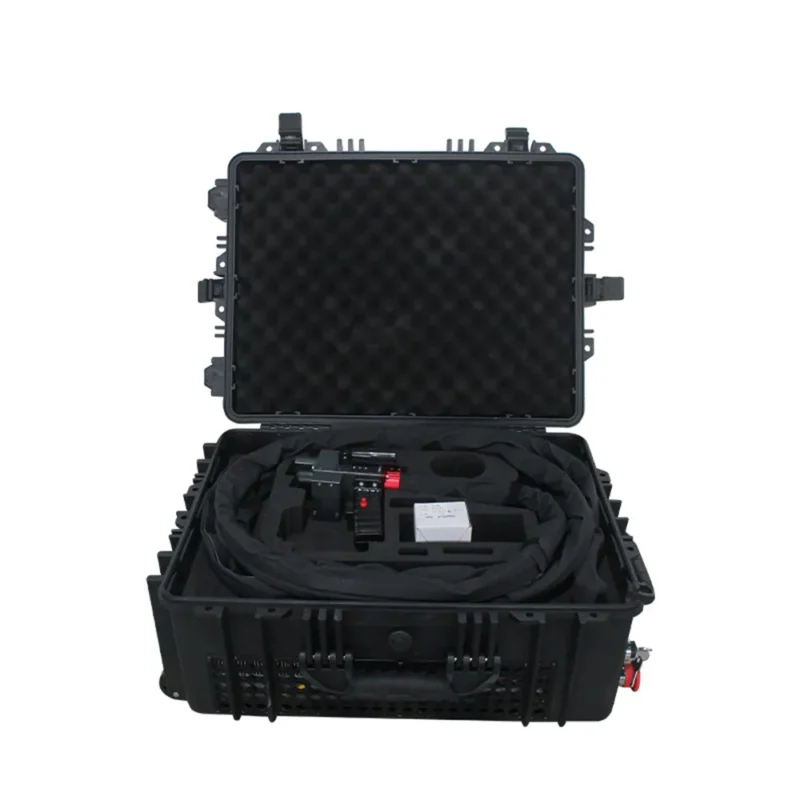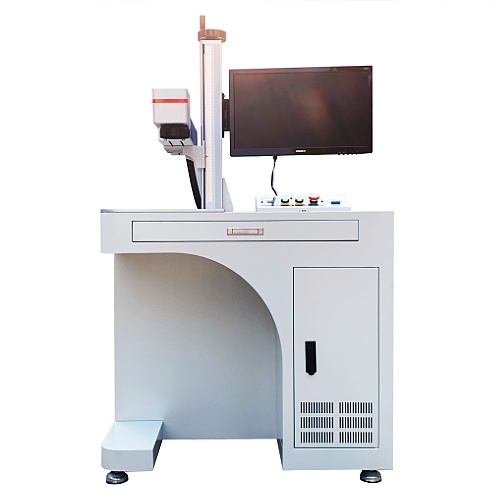

Laser Cleaning Machine

Laser Cleaning Machine

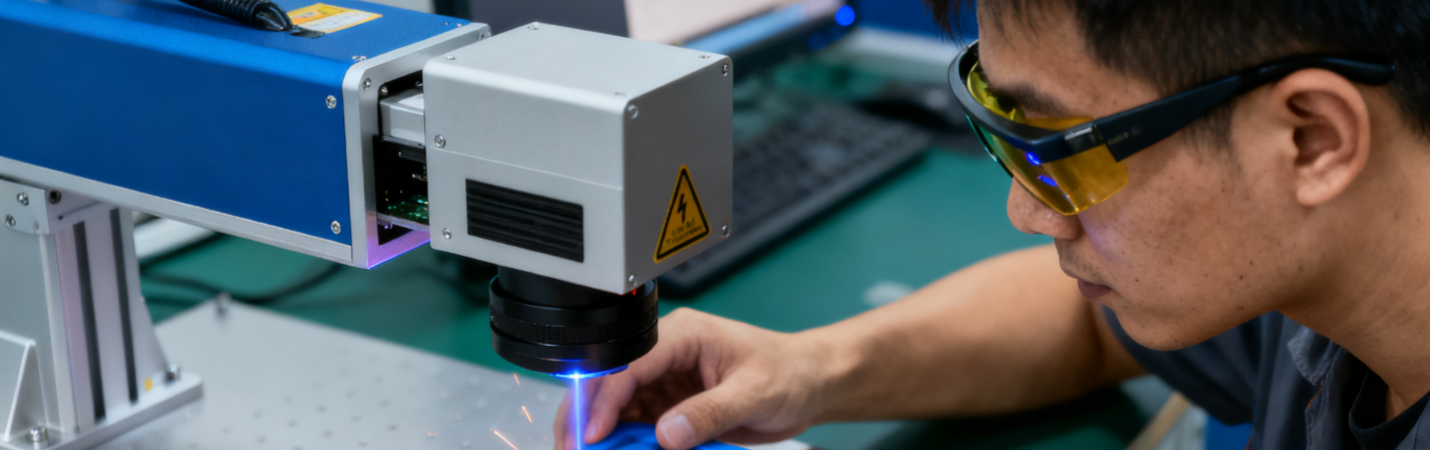
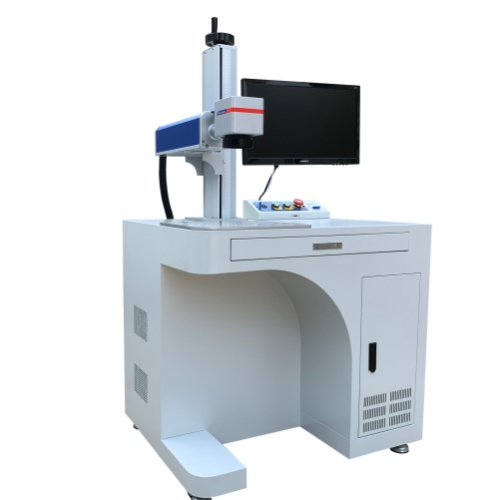
Laser Marking Machine

Laser Marking Machine

Laser rust removal machine

Laser rust removal machine

Latest news

Amet officiis sit beatae facere.

How effective is the laser cleaning machine in treating the paint layer on wood?

Laser cleaning is a highly effective and sophisticated method for treating paint layers on wood, but its effectiveness is highly dependent on several factors. It's not a one-size-fits-all solution, but in the right applications, it's unparalleled.Here’s a detailed breakdown of its effectiveness:Key Advantages (Why it's so effective)Extreme Precision and Control: The laser can be focused to a tiny spot (fractions of a millimeter), allowing for the selective removal of a specific paint layer without affecting the underlying wood or a sub-layer of historical paint. This is crucial for restoration work.Non-Contact and Non-Abrasive: Unlike sanding or scraping, there is no mechanical stress on the wood surface. This preserves the original patina, tool marks, carvings, and the delicate surface structure of aged wood.Eco-Friendly and Safe: It generates no chemical waste (unlike paint strippers) and minimal dust, which is easily captured by a filtration system. This is especially important when dealing with lead-based paints, as the hazardous vaporized material is contained.Layer-by-Layer Removal: By adjusting the laser parameters, operators can "dial in" the correct energy to remove the top layer of paint and then proceed to the next, allowing for controlled reveals of underlying history.Minimal Thermal Impact: Modern pulsed lasers (Nd:YAG or fiber lasers) deliver energy in extremely short pulses (nanoseconds), vaporizing the paint so quickly that heat doesn't have time to conduct into the wood substrate, preventing burning or charring.Crucial Factors Affecting EffectivenessPaint Composition and Color:Color: Darker paints (black, brown) absorb laser light much more efficiently than lighter ones (white, yellow), making them easier to remove. Multiple passes or adjusted settings may be needed for light colors.Type: Modern acrylics, oils, and traditional pigments all react differently. The presence of certain metal oxides in pigments can affect absorption.Age/Thickness: Hard, brittle, thick old paint often responds better than thin, gummy modern coatings.Wood Substrate:Species and Density: Hardwoods (oak, maple) with tight grain are ideal. Softwoods (pine) or weathered, low-density wood are more prone to thermal damage if settings are incorrect, as the laser might start to ablate the wood itself.Surface Condition: Charred, degraded, or uneven surfaces require extreme care. The laser will preferentially remove the weaker, degraded wood if the parameters are wrong.Moisture Content: Dry wood is generally safer to treat.Laser Parameters: The operator must expertly balance:Wavelength: Typically 1064 nm (infrared) is used, but other wavelengths can be better for specific pigments.Fluence (Energy Density): The energy delivered per unit area. Too low = ineffective; too high = risk of damaging the wood.Pulse Duration & Frequency: Shorter pulses minimize heat. The speed of the scanning head is critical for an even result.Limitations and ChallengesCost: The machinery is a significant capital investment, and the process can be slower than gross mechanical removal for large, simple surfaces.Operator Skill: It is not a "push-button" solution. Effectiveness relies entirely on a skilled operator who can "read" the surface and adjust parameters in real-time.Not for All Woods: As mentioned, very soft, resinous, or fragile wood can be problematic."Ghosting": Sometimes, a faint shadow or pigment residue can remain in the wood grain, which may require a very gentle final pass or a complementary cleaning method.Ideal ApplicationsHistorical Woodwork & Furniture Restoration: Removing overpaint from antique furniture, carved altars, paneling, or statues without losing the original finish or detail.Lead Paint Abatement: A safe, contained method for removing toxic lead paint from historic windows, doors, and trim.Fine Art Restoration: Cleaning of painted wood artifacts, frames, and sculptures.Selective Cleaning: Removing graffiti from wooden surfaces without damaging the substrate.ConclusionLaser cleaning is exceptionally effective for treating paint on wood when the goal is precision, conservation, and the preservation of the substrate. It is the gold standard for high-value, sensitive restoration projects where traditional methods are too destructive.However, its effectiveness is not automatic. It depends on the perfect marriage of:A suitable wood substrate.An experienced, knowledgeable operator.The correct laser technology and settings.For bulk paint stripping on robust, non-historical timber, traditional methods might be more cost-effective. But for any work where the wood itself is of value, laser cleaning is a revolutionary and highly effective tool.Recommendation: Always test on an inconspicuous area first to determine the optimal parameters for that specific combination of paint and wood.

Read more

Amet officiis sit beatae facere.

Will laser cleaning machines be cheaper in 2026?

Based on current technological and market trends, it is highly likely that laser cleaning machines will be cheaper, more capable, and more accessible in 2026 compared to today.Here’s a breakdown of the key factors driving this trend:1. Core Reasons for Expected Price DecreaseTechnology Maturation & Economies of Scale: The core components—fiber lasers, galvanometer scanners, and control systems—are becoming more standardized and are being produced in much higher volumes. This drives down manufacturing costs significantly.Intense Market Competition: The market, especially from China, is flooded with manufacturers. This fierce competition forces companies to improve efficiency and reduce prices to gain market share, benefiting the end-user.Advancements in Laser Efficiency: Lasers are becoming more electrically efficient and require less cooling. This allows for cheaper, more compact power supplies and cooling systems, reducing the overall machine cost.Automation Integration: As laser cleaners become more common in automated production lines and with robots, the cost of the "cleaning head" itself becomes a smaller part of a larger system, incentivizing lower component prices.2. Potential Variables That Could Influence PriceGlobal Supply Chain & Material Costs: Any major disruption (e.g., rare earth elements for lasers, semiconductors, geopolitical issues) could temporarily slow the price decline or cause short-term spikes.Regulation & Safety Standards: Stricter global safety regulations could add cost for enhanced enclosures, fume extraction, and safety interlocks, potentially offsetting some savings.High-End vs. Entry-Level Market: The price drop will be most dramatic for low to mid-power (100W-500W) handheld and benchtop systems. Ultra-high-power (1000W+) industrial systems for heavy rust ablation will become more affordable, but may not see the same steep decline.3. What "Cheaper" Also Means for BuyersIn 2026, "cheaper" will likely come with better value:More Features for the Price: You'll get better software, user interfaces, and process presets.Lower Operating Costs: Improved efficiency means lower electricity bills and less maintenance.Greater Accessibility: Smaller workshops and even serious hobbyists will be able to afford capable machines that today are only for industrial users.Summary and AdviceYes, expect laser cleaners to be more affordable in 2026. The trend is firmly towards lower costs per watt of cleaning power.If you're considering a purchase now: For an urgent, revenue-generating application, buying now makes sense. The productivity gain often justifies the current cost.If you can wait: By 2026, you will almost certainly get a more capable machine for the same price or a similar machine for a lower price. Waiting for the next 1-2 years of technological iteration is a reasonable strategy if your need isn't critical.Final Thought: The laser cleaning industry is following the classic path of laser technology (like cutting and welding), where prices fall consistently as the technology becomes a standard industrial tool rather than a novel specialty item. 2026 will be a great time to buy.

Read more

Amet officiis sit beatae facere.

The Difference Between Low-Power and High-Power Laser Cleaning Machines

The distinction between low-power and high-power laser cleaning machines is fundamental to choosing the right tool for the job. It's not just about raw cleaning speed; it affects the applications, safety, cost, and even the physics of the cleaning process.Here’s a detailed breakdown of the differences:Core Distinction: Power OutputLow-Power: Typically ranges from 20W to 200W (fiber lasers). Pulsed fiber lasers in this range are most common for precision work.High-Power: Ranges from 200W to 2000W+ (fiber lasers). Continuous wave (CW) or high-frequency pulsed lasers are common here.How the Cleaning Mechanism DiffersLow-Power (Ablative/Photothermal): Primarily relies on thermal ablation. The laser pulse delivers intense energy in a very short time (nanoseconds), causing the surface contaminant (rust, paint, oxide) to heat up, vaporize, and sublimate almost instantly. There is minimal to no heat transfer to the base material. Think of it as "popping" off the coating.High-Power (Thermal/Photomechanical): Delivers a massive amount of energy, which can cause both vaporization and thermal shock. The high energy can instantly burn off thick layers and, through rapid expansion, create shock waves that blast away material. There is a significantly higher risk of heating the substrate.Comparison Table: Key DifferencesFeatureLow-Power Laser CleanerHigh-Power Laser CleanerPrimary ApplicationsPrecision cleaning, conservation, delicate parts: PCB molds, semiconductor tools, fine art restoration, small rust spots, anodized layer removal, electronics.Heavy-duty industrial cleaning, large-scale rust removal: Ship hulls, bridge girders, structural steel, large weld seams, heavy paint stripping from concrete, aerospace components.Cleaning SpeedSlower, meticulous. Cleans a smaller area per unit of time (e.g., cm²/min).Very fast. Cleans large surface areas quickly (e.g., m²/hour).Heat Input to SubstrateVery low (cold ablation). Minimizes risk of part distortion, metallurgical changes, or heat-affected zones (HAZ).Moderate to High. Can heat the underlying material, potentially affecting temper or causing warping on thin metals. Requires careful parameter control.Process Control & PrecisionExtremely high. Can remove micron-thin layers without damaging a delicate base (e.g., cleaning patina off a coin). Spot size can be very small.Lower precision. Designed for bulk material removal. Spot size is larger for coverage.Safety RequirementsHigh (but different focus). Focus is on eye safety (invisible IR light) and fume extraction. The beam itself, while dangerous, has a smaller hazard zone.Extremely High. Requires rigorous safety protocols: Class 1 enclosure is almost mandatory. Intense beam can cause immediate fires, severe eye injury, and generates large amounts of hazardous fumes/particulates.PortabilityOften designed as handheld or compact benchtop units. Easier to move to the job site.Frequently large, stationary systems or integrated into robotic arms or gantries. Some are truck-mounted for field use.CostLower initial investment. More accessible for small workshops or specialized service providers.Significantly higher capital cost. Includes cost of the laser, chiller, enclosure, and industrial extraction systems.Consumables & Operating CostPrimarily electricity. No consumables like media or chemicals.Higher electricity consumption, but still no traditional consumables. Cooling system demands are greater.How to Choose: A Simple GuideChoose a LOW-POWER Laser Cleaner if your work involves:Small, delicate, or high-value components.Precision results where the substrate must not be altered.Thin layers of rust, paint, or coating.A laboratory, workshop, or on-site restoration setting.A limited budget for initial investment.Choose a HIGH-POWER Laser Cleaner if your work involves:Large, heavy structural steel or industrial parts.Thick layers of mill scale, rust, or multiple coats of paint.Production environments where throughput speed is critical.Integration into an automated production or blast line.You have the infrastructure for safety enclosures and heavy fume extraction.Important Note on "Power"It's not just about watts. Other factors are equally crucial:Pulse Energy & Frequency (for pulsed lasers): Determines the "impact force" of each pulse.Beam Quality (M² factor): A "tighter," higher-quality beam concentrates energy more efficiently, making a 100W laser with excellent beam quality more effective than a 200W laser with poor quality.Wavelength: Most industrial cleaners are 1064nm fiber lasers, ideal for metals. Different wavelengths interact with materials differently.ConclusionThink of it like sanding:A low-power laser is like using fine-grit sandpaper for detailed model work—controlled, precise, and slow.A high-power laser is like using an industrial angle grinder with a stripping disc—fast, aggressive, and for big jobs, but with risk of damaging the workpiece if used carelessly.The right choice is entirely dependent on your specific application, material, required finish, and production goals. Always consult with an application engineer from a laser manufacturer for a demonstration on your actual sample parts.

Read more

Need Help? Chat with us
Click one of our representatives below
GoldLaser
GoldLaser
I'm online